Gut comfort
Constipation: food, fluids, and when to get checked
Constipation is uncomfortable and a little awkward to talk about, and if you’ve tried a few fixes that didn’t stick, it’s understandable to feel stuck in more ways than one.
Constipation is one of those topics people rarely bring up and frequently search. It is common, often uncomfortable, and usually manageable—but it is also worth taking seriously when it is new, persistent, or comes with warning signs.
Start with a few specific foods and enough fluid. Escalate to a clinician if it isn’t shifting.
What counts as constipation
NIDDK describes common symptoms as fewer than three bowel movements a week; stools that are hard, dry, or lumpy; stools that are difficult or painful to pass; or a feeling that not everything has passed. “Normal” varies from person to person; a change from your usual pattern is what matters.
Foods with the best evidence
In 2025 the British Dietetic Association published the first evidence-based dietary guidelines for chronic constipation in adults, based on systematic reviews of randomized trials. Food-based options with supporting trials include:
- Kiwifruit: 2–3 a day.
- Prunes: about 8–10 a day.
- Rye bread: helpful in trials, though the amounts studied were large (6–8 slices a day).
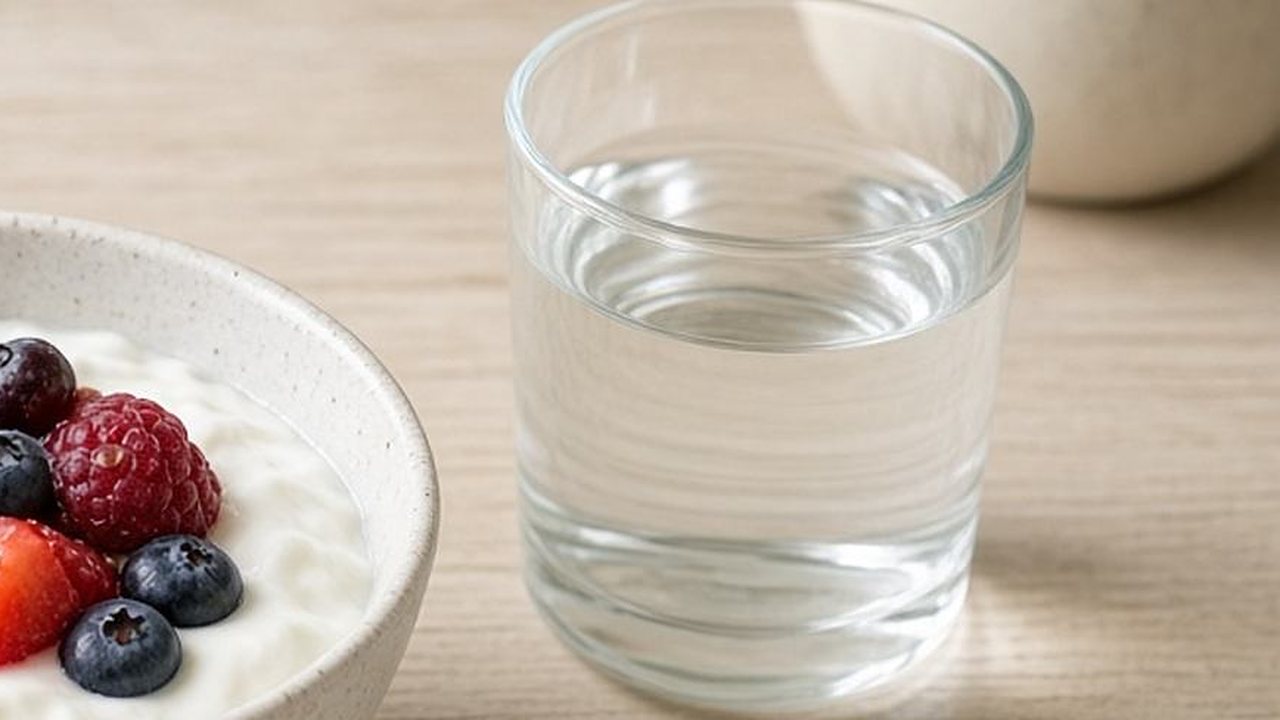
- Mineral-rich water was also studied.
Interestingly, the guideline did not make a recommendation for a general “high-fiber diet” because of a lack of trial evidence for the whole-diet approach—even though fiber remains important for overall health. Specific foods appear to do more of the work.
Fiber and fluids, done gently
NIDDK advises getting enough fiber—about 22 to 34 grams a day for adults depending on age and sex—and drinking plenty of liquids so the fiber works better. Add fiber gradually; a sudden jump can cause gas and bloating. The fiber guide has simple swaps.
The BDA guideline also supports psyllium supplements (at least 10 grams a day in trials), started at a low dose, increased gradually, and taken with extra fluid. Magnesium oxide supplements were also studied; because magnesium is not right for everyone (for example, people with kidney disease), ask a clinician or pharmacist before using it.
Rhythm helps
- Eat at fairly regular times; a real breakfast and a warm drink are a common routine trigger for a bowel movement.
- Give yourself unhurried time in the bathroom, and don’t ignore the urge.
- Movement through the day helps many people.
- Travel, new medicines (including some pain medicines and iron), pregnancy, and low food intake are common triggers worth noticing.
When to see a clinician
NIDDK advises seeing a doctor if symptoms do not go away with self-care, if you have a family history of colon or rectal cancer, or if you have any of the following: bleeding from the rectum, blood in the stool, constant abdominal pain, inability to pass gas, vomiting, fever, lower back pain, or losing weight without trying. New constipation in later adulthood also deserves a conversation. A registered dietitian can help when constipation overlaps with IBS, diabetes, pregnancy, or a restrictive eating history.
A short “good enough” check
- I tried one evidence-based food (kiwifruit, prunes, or rye bread) for a couple of weeks.
- I increased fiber slowly and drank more fluid with it.
- I have a regular time and enough privacy to go.
- I know the red flags and will call a clinician if any appear.
If bloating and pain lead the picture, read IBS and the low-FODMAP approach. For everyday comfort, see gut comfort.
Sources
- NIDDK. Symptoms & Causes of Constipation. https://www.niddk.nih.gov/health-information/digestive-diseases/constipation/symptoms-causes
- NIDDK. Eating, Diet, & Nutrition for Constipation. https://www.niddk.nih.gov/health-information/digestive-diseases/constipation/eating-diet-nutrition
- Dimidi E, et al. British Dietetic Association Guidelines for the Dietary Management of Chronic Constipation in Adults. Neurogastroenterol Motil. 2025 (PubMed 41081381). https://pubmed.ncbi.nlm.nih.gov/41081381/
- Academy of Nutrition and Dietetics (eatright.org). Easy Ways to Boost Fiber in Your Daily Diet. https://www.eatright.org/health/essential-nutrients/carbohydrates/easy-ways-to-boost-fiber-in-your-daily-diet
Wherever you are with constipation, small steps count. If you’d like a hand, tell our RD team what’s going on, or join the newsletter to keep learning with us.